About "temperature difference allergy"
I feel like I've been hearing the term "temperature difference allergy" more and more recently.
So what exactly is "temperature difference allergy"?
Usually, when we say "allergic reaction" in medical terms, it means "a variety of reactions in the body caused by an oversensitive antigen-antibody reaction."
A reaction that causes unpleasant symptoms.
According to this definition, "temperature difference allergy" is not an "allergy."
In fact, medically, "temperature difference allergy" is called "vasomotor rhinitis."
Unlike allergic rhinitis, it is classified as non-allergic rhinitis.
As you might expect, tests do not detect antibodies against the substances that cause allergies.
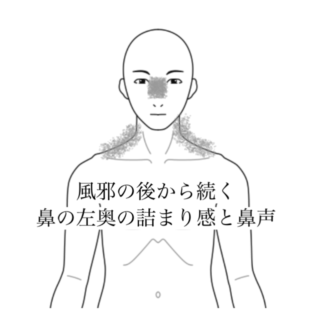
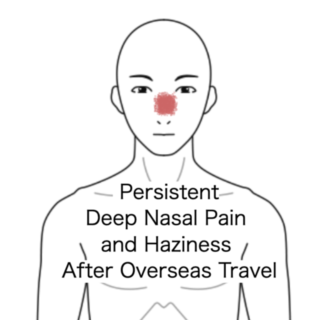
In "temperature difference allergy," nasal symptoms are the main symptom,
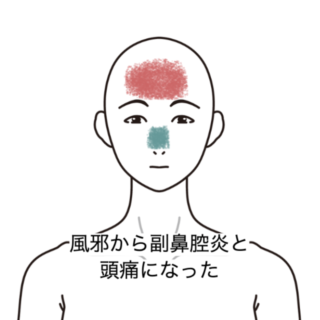
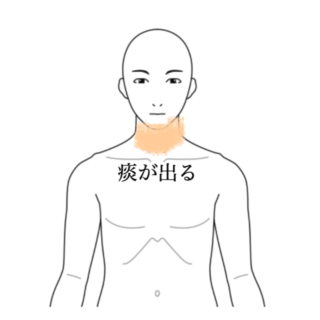
It is often accompanied by other symptoms such as fever, sore throat, cough, phlegm, itchy eyes and skin, etc.
It is different from a cold or hay fever.
Generally, this is most common in autumn and winter when there are large temperature differences, but it can also occur when the indoor temperature environment is
Nowadays, things are very different from before, and it is no longer possible to say that symptoms are more likely to appear at certain times.
It is thought that rhinitis is caused by autonomic nervous system disorders caused by temperature differences.

These are symptoms that acupuncture is good at and is suitable for.
If you have any of these symptoms, why not consider acupuncture?