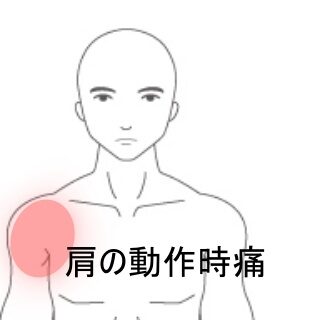
Shoulder Pain and Limited Range of Motion During Strength Training
symptom
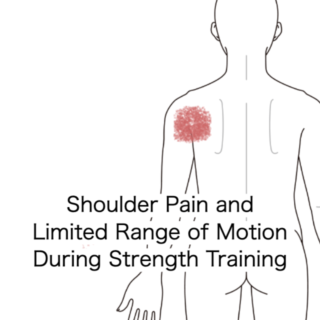
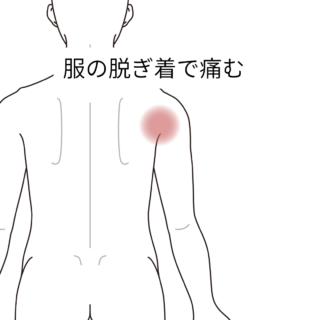
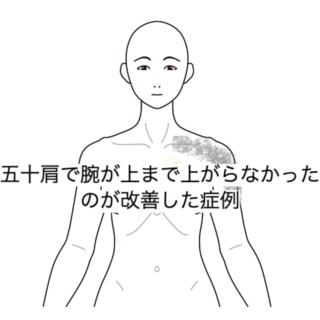
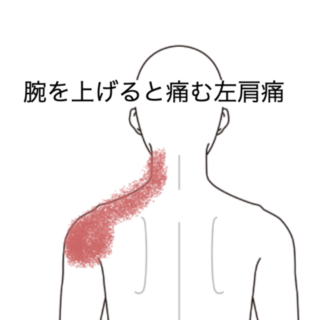
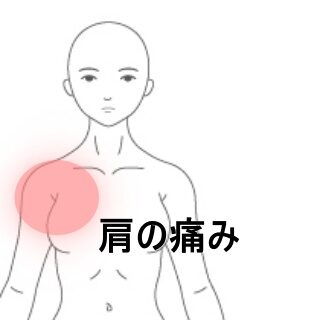
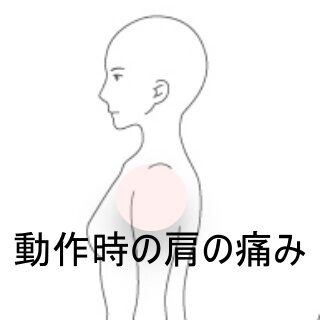
The main complaint was pain in the posterior shoulder when flexing the arm. While the pain did not significantly interfere with daily activities, it was severe enough that the individual had stopped performing certain strength training exercises that used the affected area. Specifically, particular strength training movements could not be performed. No formal diagnosis or medical examination had been received for this condition. Although it was unclear whether it was related to the main complaint, a sensation of impingement when raising the shoulder was also reported around the same period.
-
Visitors
Male
20's
-
Period
February 2026 - March 2026
-
Visit Frequency per week
1
-
Number of Visits
9
Treatment and progress
At the initial visit, shoulder flexion was checked along with range-of-motion assessments, and these were confirmed before and after each session to objectively track progress. The initial flexion range of motion was approximately 160 degrees, which expanded to 180 degrees after the first session. At the time of the visit, the individual reported that movement of the shoulder caused pain in various locations. Acupuncture points on the back and lower back were mainly used, and after the first session, the pain decreased, with the sensation of impingement becoming more noticeable than the pain itself. Treatment continued, and with each session, the pain gradually decreased, with the individual reporting that the location of the pain became more clearly identifiable. During the course of treatment, the location of the pain shifted at times, and there were fluctuations in the symptoms. After nine sessions, a turning point was reached, and the individual later reported that neither the pain nor the sensation of impingement remained noticeable.
Acupressure points used


Symptom score
Functional score
Summary
This case involved posterior shoulder pain during flexion, where acupuncture points on the back and lower back were mainly used, resulting in improvements in range of motion and reductions in pain. Performing range-of-motion and movement checks at every session from the initial visit appeared to help objectively track changes over time. The fact that the location of pain shifted and symptoms fluctuated during the course of treatment also provided useful reference points for flexibly adjusting the treatment approach. Ultimately, the individual reported that neither the pain nor the sensation of impingement remained noticeable, suggesting that continued sessions were useful in following the progression of symptoms.