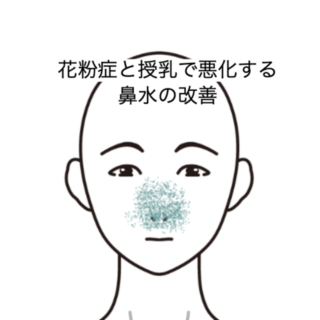
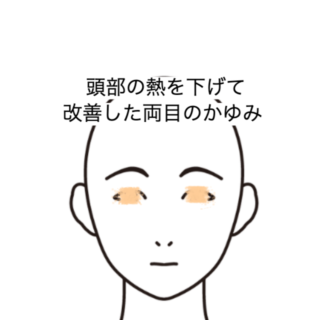
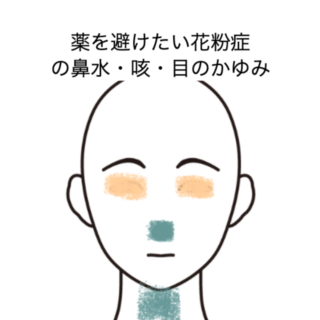
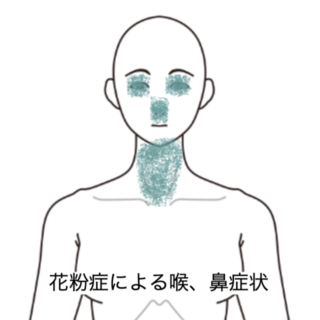
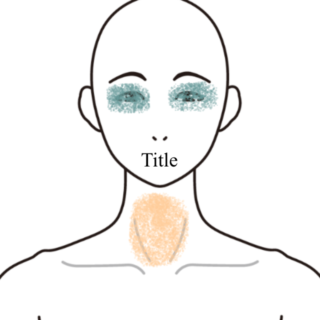
Hay fever with morning runny nose and daytime itchy eyes and sneezing.
symptom
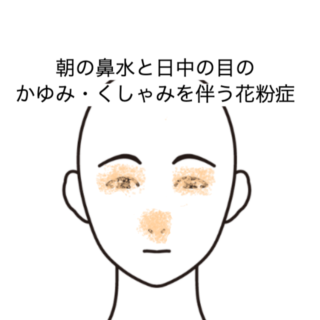
A woman in her 40s presented with itchy eyes, sneezing, and a runny nose, suspected to be due to hay fever. The runny nose only occurred in the mornings, while the other symptoms were consistently present during periods of high pollen counts, with the severity fluctuating from day to day. She experienced significant discomfort in her daily life due to these symptoms. She had not received any diagnosis or treatment at a medical institution. She also complained of neck and shoulder stiffness related to her hay fever symptoms.
-
Visitors
Female
40's
-
Period
February 2025 - March 2025
-
Visit Frequency per week
2 - 3
-
Number of Visits
10
Treatment and progress
Upon initial examination, tension was observed near the scapula. Acupuncture was performed on points in the elbow that are closely related to the scapula area, and the symptoms seemed to subside slightly after the first treatment. The patient's condition remained good until the third visit, when itchy eyes, sneezing, and runny nose reappeared. During the sixth visit, pain developed in the left shoulder, so acupuncture was performed on points in the arm to alleviate the pain and to relax a portion of the erector spinae muscles. This approach significantly improved the nasal symptoms. Although symptoms sometimes returned during the treatment period, the symptoms improved after addressing the erector spinae muscles, and by the eighth visit, the patient was in good condition. After 10 treatments, the symptoms had improved to the point where they were barely noticeable.
Acupressure points used


Summary
Initially, treatment focused on acupoints around the shoulder blades and elbows for various symptoms suspected to be hay fever, but the symptoms recurred. From the sixth session onward, focusing on the pain in the left shoulder, treatment was added to acupoints on the arm with the aim of relaxing the erector spinae muscles, resulting in a significant improvement in nasal symptoms. This suggests that muscle tension may have been involved in the background of the hay fever symptoms. By continuing the treatment of the erector spinae muscles, the symptoms stabilized, and after 10 sessions, they improved to a state where they were almost unnoticeable. This case confirms that in acupuncture treatment for hay fever, it is important to relax not only the local muscles but also the related muscles.
Acupuncture clinic for the case:Acupuncture and Moxibustion Room Kapos